Wednesday, 6 February 2013

Tradisional Dress from ASIA

Kebaya - Indonesia


Kebaya is a traditional Indonesian clothing that comes from the Malay culture (Southeast Asia). Many traditional clothing in Southeast Asia in countries like kebaya like Malaysia, Brunei, Singapore. Kebaya is a blouse (clothing boss) combined with a subordinate fabric, cloth is also worn traditional fabrics such as batik, songket. So it is not surprising that such manifold kebaya kebaya Javanese, Balinese kebaya, kebaya Sunda and others. Kebaya will look elegant, luxurious and classy when modified with embroidery, sequins, beads and more.


Cheongsam - Cina

Cheongsam is the traditional dress Chinese woman.Cheongsam is usually a long piece with a high neck, short-sleeved, buttoned shanghai on the left or  bottom right shoulder. Cheongsam is usually brightly 
colored, red as a  show of luxury and elegance but still looks simple.


Kimono - Jepang


Kimono is a traditional clothing of Japan. Before the advent of Western clothing in Japan, long kimono worn by women of all kinds of Japanese From formal wear to daily wear kimono in Japan by all women. Kimono is a traditional Japanese clothing, T-shaped and are called obi belts. Now kimono worn on special occasions, especially for special occasions. 


Sari - India


Sari is a traditional garment         
that is worn by millions of Indian     
women, who come from the era of 
100 BC. Sari is one of the habits
of the clothes are kept by the 
women in India and timeless. Sari 
is the width of the fabric to the
size of approximately 20 meters 
and a width of 5-6 meters. How to 
wear sari varies, and worn by region, 
caste, events, religion, etc.


add my facebook:
Deviejeremy Illyasviel
 

Top 10 List Asia's Horror Movies

10. MATANGO
What makes this amazing film so effective is its seductively spare but intelligent screenplay, nightmarish atmosphere, serenely creepy score and stunning special effects. It explores how we are all drawn to pleasures that we know may sign our death warrants while daring to suggest that death by pleasure is a demise more preferable to death without love. Matango scores very high on the slow-burn creepiness meter, and the story of a bunch of hapless castaways slowly descending in to distrust and madness is utterly compelling. What they find on the island is truly disturbing, and I can’t put into words how thankful I am for not having seen this during my formative years. This is one of those movies that can royally mess up your mind if you’re a little kid.
 
9. JIGOKU
Jigoku is notable for separating itself from other Japanese horror films of the era such as Kwaidan or Onibaba due to its graphic imagery of torment in Hell. The films last 40 minutes, which constitute the most bizarre, gruesome and sadistic scenes in any country’s studio-produced feature films up to that time. Even some 40 years after it first marched across theater some of the shots of flayed flesh and disemboweled intestines are still shocking. The cramped and dark vistas are something out of a nightmare. Sinners are sawed in half, slammed in the jaw with spikes, limbs are torn. It’s brutally frightening! Masterfully photographed and acted. 
 
8. THE EYE
We follow the touching story of a young Hong Kong girl, blind from her earliest years, who undergoes a cornea transplant. After softening us up with lots of nice sentiment, the horror kicks her new found sight brings its own macabre rewards. The scene in the hospital hallway had my skin trying to crawl off my body, as well as the “Why are you sitting in my chair?” scene. We’re talking serious chills. Real horror isn’t about dripping guts and hooks with heads on them, it’s about the unexpected, it’s about being confronted with something terrifying, something which makes you wish the character was elsewhere. The result is magnificent and I really appreciated this film a lot.
 
7. IMPRINT
Imprint marked The final entry of the series, Takeshi Miike’s Imprint was banned from American TV. Mick Garris claimed it was the “most disturbing film I’ve ever seen.” Disfigured and disturbed, a girl claims a closer connection with the dead than the living. Other deeply shocking moments of the story include a brutal and detailed abortion sequence and the overall nihilistic attitude towards unborn humans. This short movie is beautifully made, with sublime camera-work and masterful make-up effects. Miike’s directing is solid as a rock and proves that he truly deserves to be called a “Master of Horror”. Imprint is often hard to watch but impossible to forget.
 
6. Horrors of Malformed Men
In effect banned in Japan, Horrors of Malformed Men was rarely seen in the decades after its release. Made just over 20 years after the atomic bomb was exploded over Hiroshima, some of this film looks as if some of the short-lived survivors might have made it to the set. Both the way the deformity issue is enthused over here and the clear connection with the bomb attack, make this a true horror. We begin with vivid scenes inside a mental institution but then the film settles down into a creepy mystery before cracking open about half an hour in, whence we find ourselves in the Mexican, Jodorowsky territory, and then worse. The “human chair”, “human fireworks” and, especially, the scene where a woman, imprisoned in a cave, has to eat the crabs which had spent a few days munching on her lover’s corpse, are just highlights of many surreal sequences in this truly one-of-a-kind film.
 
5. MAREBITO
The film is about a man named Masuoka who carries a camera everywhere he goes. He becomes obsessed with the idea of fear when he sees a frightened man shove a knife in his eye to commit suicide. Wishing to understand the fear that the dead man must have felt before his death, Masuoka descends into a labyrinthine underground area beneath the city, where he sees human-like creatures that walk on their hands and knees and whimper like dogs. Although this masterpiece is not for everyone. It offers a bunch of pretty disturbing scenes, but one has to watch it at least twice, in order to fully comprehend it’s twisted metaphoric. If you find this movie weird, just stop and think about how weirder is the whole mankind. Instead. Horrible thurths are revealed through this genius metaphor of vampyrism.
 
4.  THE RING
Ring is about a cursed, disturbing videotape that, when watched, will cause the viewer to die a week after. The film is the highest grossing horror film in Japan at 12 billion yen ($137.7 million) and is also considered the most frightening horror film in Japan. In America, it is probably the most over- saturated horror film of the 2000′s and in our opinion, the start of the whole Japanese horror film remake craze that still plagues theaters today. The reason it is so high on the list? It paved the way for the comeback of the horror genre and when you take away the hype, it really is a great horror film.
 
3.  A Tale of Two Sister
I can see where just about anyone reviewing this film has to remain frustratingly vague in regards to its psychological underpinnings, so solid is its construction, so consistent is its tone and so beautifully paranoid and disorienting is its atmosphere that upon a second viewing, you’d be hard-pressed not to stare at your companion’s face (or the collective faces of an audience, preferably) instead of the screen as the realization sets in. In A Tale of Two Sisters such events occur in such a rapid-fire, relentless fashion that the viewer must watch the film in a perpetual state of alertness, lest they miss something important. In other words, the content level of this film is enough to easily fill a dozen other films. How can anyone in their right mind ask for anything more from a movie than this? It’s quite simply the highest, most superlative form of cinema imaginable.
 
2. BLIND BEAST
The plot, such as it is, concerns a blind man who kidnaps a model and holds her against her will. What happens next would be telling, as the three characters, the blind man’s mother is his accomplice, interact in ways that are both surreal and primal. Even if you know what happens, you still can’t be prepared for what happens. This film definitely is shocking, but not because of any large amount of gore or particularly brutal sex scenes. Director Yasuzo Masumura has done an amazing thing in that he’s made a film that is shocking thanks to the ideas that it promotes. Based on a story by Edogawa Rampo, one of Japan’s most famous horror writers, is an intense study of obsession, emotional manipulation and the perverse nature of art.
 
1. KURONEKO
In warring feudal Japan, a group of marauding Samurai seeking food exits the forest where they come across a house that should have what they require. On entering the house they find it has what they want and a lot more….it has women too. The inhabitants an elderly woman and her daughter in law are both subjected to continuous rape as each Samurai takes their turn. They come back from the grave as cat vampire ghosts who suck the blood of samurai warriors. It has gorgeous black and white cinematography, an exotic Japanese feudal setting, and a wide variety of visual and emotional effects. The characters move with the ritual formality that I love in certain Japanese films, and the story moves on with the ruthless intensity of a Noh drama. Kuroneko is simply one of the best ghost/horror films ever made. The stylised nature of the film creates the feeling “haunting” in a way that few horror films could ever even imagine. The aesthetics informed many other ghost stories, particulary those from Asia, for example A Chinese Ghost Story (1987), but few other films are as undiluted as Kuroneko.

Follow me :
Instagram : RonnyGanger
Twitter : RonnyGnawan

A Crazy Little Thing Called Love (Review): Based on a True Story of Everyone

High School. Sort of.
Dark skinned, with glasses and braces =
the complete cliche package of an ugly
girl falls in love with unbelievably
handsome and charming upperclassman.
Of course he has to be perfect in every
way possible, all sensitive and artistic (but athletic and hot at the same time) while she is the clumsy nerd in the shadows.
The movie opens up with Nam's quirky
group of friends and a teacher who is
too straightforward for her own good.
A few juvenile scenes of picking out
crushes, passing notes during class and
stolen glimpses and suddenly, the story
becomes all too familiar.
All those enchantment-believing, book-
reading and daydreaming moments
could might as well be anybody else's
story and it was that gravitation to
something so recognizable to all, I
think, that made this movie so popular
and endearing to people who have a
heart and once used it for something
no matter how one-sided and futile the
experience was.
But of course the lead character must
shed off her veil of ugliness and become
this pretty swan in a matter of a few
months. Any story set on screen could
definitely not end with the Prince
Charming falling in love with the still
visually despicable commoner! The
transformation was so dramatic I had
to Google if two different actresses
played her part.
I found it bothersome how society
(apparently even in Thailand) entails
that for a character to be noticed and
loved, she has to be physically
beautiful. Yes it's nice that after a lot
of name-callings and schoolyard
torture, the caterpillar that we have
grown accustomed to has wreathed out
of her cocoon and transformed into a
beautiful butterfly. But still, wouldn't
it be more interesting, and inspiring
even, if the Prince Charming and the
ordinary girl had their happily ever
after without some cliche make-over /
metamorphosis in the middle to make
everything easier on the eyes?
For me, it was a rocky road from the
moment Nam became painfully
beautiful. She suddenly lost her
adorable awkward charm and it was
not as interesting seeing her being
fawned upon by random schoolmates.
Fortunately, the story picked up near
the ending with humiliating confessions,
predictable heartbreak and some
flipping through a black book.
Overall, it is a must-see for everyone
who have gone through high school
and/or puberty. I guaranty you will
relieve those tiled school halls with
such clarity it's disconcerting. The
trailer got it right when it said that it
is based on a true story of everyone.
And I find myself agreeing with that
claim. At least for the first 30
minutes. ;)

Follow me :
Instagram : RonnyGanger
Twitter : RonnyGnawan

2NE1 is part of Asia's Girl Group

1. CL

Stage name: CL
Real name: Lee Chae Rin - Faith Lee
Lion
• Birthday: February 26, 1991 in
Seoul
• Position: Leader, Rapper, Vocal
• Height: 162 cm
• Blood type: A
Religion: Catholic Roma
• Special skills: French, English,
Japanese
• Hobby: Writing Lyric, Drawing
Coloring
Color's: Black and White
FACT : Pertama debut di SBS Gayo
Daejun 2007 dengan YG Family.
Ayahnya bernama Lee Ji Kin,
seorang guru besar Fisika di
Universtitas Catholic terkemuka di
Korea, Sogang Univ. Beliau pernah
ke Perancis, Jepang, Rusia, dan
Armenia. Selama audisi, Lee Chae
Rin mengirimkan video demo ke YG
selama 4 tahun, 3 bulan sekali dia
mengirim. Dia pernah tereliminasi
dari audiri JYP.

2. PARK BOM

Stage name: Park Bom
Real name: Park Bom, Jenny Park
• Birthday: March 24, 1984 in Seoul
• Position: Main Vocals
• Height: 165 cm
• Blood Type: AB
Religion: Christian
• Special skills: English, Japanese,
piano, cello, flute
• Hobby: Listening to music
Color's: Green, pink and Red
FACT : lahir di Seoul, saat kelas 6
dia pindah ke AS dengan
keluarganya. Saat SMA dia menyukai
musik karena Mariah Carey. Lulus
SMA, dia mendaftar di Lesley
University fakultas Psikologi, dan
ternyata Park bom tertarik dengan
dunia musik namun orang tua tidak
mengijinkan dia. Dengan dorongan
bibinya, dia pindah ke Berklee
Collage of Music. Dia mengikuti
audisi di YG, namun di tolak. Gadis
penyuka jagung ini tak menyerah, dia
mengikuti audisi di YG sampai 10
kali, akhirnya dia dapat masuk
karena perubahan yang drastis dari
karakter vocalnya. YG bilang, Bom
akan debut sebagai solo singer pada
Maret 2007, tapi dia memilih untuk
Bom bersama 2NE1.

3. SANDARA PARK

Real name: Sandara Park
stage name: Sandy in Philiphine,
Dara, Krung-krung
• Birthday: November 12, 1984 in
Seoul
• Position: Vocal
• Height: 162 cm
• Blood Type: A
Religion: Atheis
• Special skills: Acting, Filipino,
English, Chinese
• Hobby: Listening to music,
browsing the internet
Color: Pink
FACT: Dia terkenal di tahun 2004
melalui pencarian bakat ABS-CBN di
Filipina. Dia terkenal, namun bukan
juara pertama. Setelah itu dia
kembali ke Korea, karena masalah
ayahnya. Namun saat dia kembali ke Filiphina, dia mendapatkan respon yang kurang baik di masyarakat Filipina setelah sebelumnya dia
melanjutkan kuliahnya di Korea.
Akhirnya dia mamutuskan untuk
bergabung dengan YG. Dia pernah
didokumentasikan di acara KBS
DOCUMENTARY. Sewaktu
berkiprah di Filipina, Sandara Park
telah mempunyai beberapa album
dan juga pernah memenangkan
Golden Platinum
Record.Diantaranya yaitu Walang
Sabit untuk iklan Rejoice di Filipina.
Sandara Park mulai di rekut oleh
YG ENTERTAIMENT pada tahun
2007, karena YG ENTERTAIMENT
ingin membesarkan nama Sandara
Park di negaranya sendiri yaitu
Korea. Akhirnya kakak dari
Chundeong MBLAQ dan Durami ini
menetap di Korea dan mendatangani
kontrak dengan YG pada 2 Agustus
2007. Saat di Filipina dia belum fasih
bahasa Tagalog, namun seiring
waktu, dia menguasai bahasa tagalog.
Filipina lah yang membuat ayahnya
sukses, setelah sebelumnya ayahnya
mengalami kebangkrutan di Korea
karena kerjasama dengan temannya.
Dia juga pernah menempati sebuah
apartemen kecil, Pasay City.

4. MINZY

Real name: Gong Min Ji
Stage name: Minzy
• Birthday: January 18, 1994
• Position: Rapper, Vocalis, Lead
Dance, Maknae
• Height: 161 cm
• Blood Type: O
Religion: Christian
• Special skills: Chinese, Japanese
• Hobby: Listening to music, Writing
Lyric, Studying Production, Lead
Dance
Color's: Orange, Pink
FACT: Dia pertama masuk ke YG
karena mengikuti audisi saat dia
berumur 6 tahun melalui audisi
dance. Di jadwal YG, Minzy akan
debut bersama May Dony, YG
Trainee di Jepang, namun debut itu
batal karena May Dony pindah
agensi. Cewek menyuka anjing ini
dijuluki Briliance oleh YG karena
dancenya, juga pengaruh neneknya
Gong Ok Jin, seorang dancer
terkenal. dia tercatat sebagai siswi di
Kwangjoo sampai kelas 5, Suhkang
Elementary School.

Follow me :
Instagram : RonnyGanger
Twitter : RonnyGnawan

Tuesday, 5 February 2013

Top 10 Things to See in China


1. The Forbidden City, Beijing

Forbidden City BeijingThe Forbidden City, or Palace Museum, sits at the center of Beijing, directly north of Tiananmen Square. It was the imperial seat for the 24 Ming and Qing dynasty emperors from 1420 until 1912 when the last emperor, Pu Yi, abdicated. As the world's largest surviving palace complex, the Forbidden City is the ideal place toexplore the imperial history and culture of China!
Built from 1406 to 1420, the complex consists of 980 surviving buildings with 8,707 bays of rooms and covers 720,000 square metres (7,800,000 square feet). The Forbidden City was declared a World Heritage Site in 1987, and is listed by UNESCO as the largest collection of preserved ancient wooden structures in the world.

2. The Great Wall, North China

Great wall BeijingThe Great Wall winds its way across North China streching over 4,000 miles (6,700km). Construction of the Great Wall began over 2,000 years ago, while the latest construction occurred after 1368 during the Ming Dynasty when the Great Wall became the world's largest military structure. In fact, the Great Wall is actually made up of a number of interconnecting walls spanning China that different dynasties and warlords constructed over the years to prevent the penetration of conquerors from the North.
Beijing, without a doubt, is the best place to take a Great Wall hiking. In Beijing you can visit many different sections of the wall which is one of the largest allures for visiting Beijing. Different sections of the Great Wall present different features and different scenery. Badaling and Juyong Pass are the most visited and most easily accessible part of the Great Wall. The scenery of the Mutianyu Great Wall is extremely beautiful in autumn while the section between Jinshanling and Simatai require more physical stamina to climb. The Water Great Wall Huanghuacheng as well as the miniature of the Great Wall Huangyaguan is becoming more popular with hikers do to the magnificent scenery surrounding these areas.
Want to travel to Beijing? Select Beijing local travel agency company.

3. The Terracotta Warriors, Xian

terracotta-warriors-and-horsesThe museum of the Terracotta Army is located in Xian, Shaanxi province. Discovered in 1974 when a local farmer was digging a well, the terracotta army, buried in 210 BC with the first emporer of the Qin dynasty, astounded the world with their artistry and sheer numbers. You'll never miss this breathtaking site while taking a Xian tour. The thousands of life-size figures have individually unique faces and hair and armor styles appropriate to their rank.
The terracotta army was constructed to guard the tomb of Emperor Qin Shihuang, the founding emperor of the Qin Dynasty, and the emperor who united China. It is truly mind boggling to think that this amazing site was built so long ago by such primitive tools and only to guard a tomb. In 1987, this archeological treasure was added to UNESCO's World Cultural Heritage List.

4. Karst Mountains, Yangshuo, Guilin

Li River Cruise GuilinLocated in the south of China in Guangxi province, the amazing Karst mountain scenery can best be viewed from Yangshuo, a small town outside Guilin, a major city in Guangxi Province. Illustrating the 20 Renminbi (Chinese currency) note, the karst mountains are famously beautiful in China.
The best way to admire the amazing Karst mountain scener is to take a Li River cruise from Guilin to Yangshuo. It is the centerpiece of all Guilin tours, as well as one of the highlights of any China tour. This section of the Li River appears like a classic Chinese ink painting with its green hills, crystal water, verdant bamboo and clear water reflection. From Guilin to Yangshuo, the Li River gracefully flows over 83 kilometers and the banks of the river offer the most beautiful scenery. The great Tang Dynasty poet Han Yu vividly described the landscape as "the river winds like a green silk ribbon, while the hills are like jade hairpins".

5. The Yangtze River and the Three Gorges Dam, Central China

yangtze-riverRising in the Tanggula Mountains in west-central China, the Yangtze River flows southeast before turning northeast and then generally east across south-central and east-central China to the East China Sea near Shanghai.
The Yangtze River along with the Three Gorges is a splendid scenic spot of unparalleled natural wonder, but this area has more than just natural beauty, it has amazing and ancient folk traditions as well. Best seen by tour boat down the Yangtze River, the Three Gorges Dam is a modern construction marvel. The dam is the world's largest as well as the world's biggest hydroelectric power station. The river itself is the world's third longest and the Three Gorges are the natural highlight of the Yangtze River Cruise.

6. Jiuzhaigou Valley, Sichuan

jiuzhaigou VallyJiuzhaigou Valley is a nature reserve located in south western China's Sichuan province. A beautiful example of China's varied landscape, Jiuzhaigou is famous for colorful lakes and multi-level waterfalls and was declared a UNESCO World Heritage Site in 1992.
It is populated by a number of Tibetan villages so it is also a superb place to see and experience Tibetan local culture.Jiuzhaigou's landscape is made up of high-altitude karsts shaped by glacial, hydrological and tectonic activity. It lies on major faultlines on the diverging belt between the Qinghai-Tibet Plate and the Yangtze Plate, and earthquakes have also shaped the landscape.

7. Potala Palace, Lhasa

potala palace tibetThe Potala Palace is located in the center of the city of Lhasa, the capital of theTibetan Autonomous Region. It is the religious center of Tibetan Buddhism and the former residence of the Dalai Lama.
Famous for its imposing white walls surrounding the inner red palace, the Potala Palace is perched on top of Marpo Ri Hill at 3,700 meters or over 12,000 feet. It is the main destination of any trip to Tibet. Visitors have never failed to be humbled by the amazing structure. It's simple, but grand exterior hides the exquisite interiors covered with beautiful frescos and priceless works of art. The Potala Palace was added to UNESCO's World Heritage List in 1994.
Want to experience the splendor of Potala Palace and renew your soul in this holy land of Tibet? Make of it by picking up a reliable local Tibet travel agency.

8. The Bund, Shanghai

The Bund ShanghaiAs a landmark of Shanghai, the Bund is located at the bank of Huangpu River in the Shanghai center. The Bund, meaning embankment, was historically the seat of Shanghai's most powerful businessmen in the late 1800s and early 1900s.
The Bund is a fabulous place to see examples of Shanghai's rich architectural history, illustrated by the HSBC Building, built in 1923 and at the time said to be the most luxurious building between the Suez Canal and the Bering Strait. There are a lot of buildings of different styles, such as the Gothic building, the Romanesque building, the Baroque building, etc. It is really an extensive architecture group. And the Bund is also called the Oriental Wall Street. The Bund at night is extremely fascinating.

9. Giant Pandas, Sichuan

Giant Panda ChengduThree hours outside Chengdu, the capital of Sichuan province, is the Wolong Nature Preserve, the largest panda reserve in China. The giant panda, regarded as one of China's National Treasures, is on the verge of extinction. The center tries to ensure the Giant Panda species can continue to exist. Tourists can observe pandas in their natural habitat and can also help researchers feed and play with these beautiful and threatened animals.

10. Modernity in Hong Kong

Hong KongSee modern China - and Asia - at the cutting edge with a visit to Hong Kong, a Special Administrative Region located in Southern China.
This amazing city is bustling and beautiful, glitzy and glamorous. With its beauty and diversity, Hong Kong has something for everyone and is an amazing shopping paradise. Walking down the Kowloon side promenade gives the traveler a view of some of the most beautiful modern architecture in China. Hong Kong is filled with history and beauty as its many museums and parks amply demonstrate. Hong Kong is a beautiful blend of western and eastern, ancient, and modern and no trip to China is complete without a stop Hong Kong.


ps : from chinatouristmaps

Monday, 4 February 2013

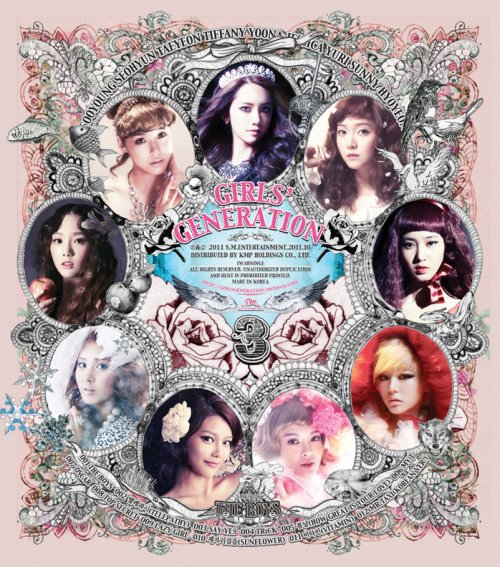
Proud To Be Asian Introducing, a Famous Girl Group of Asia "Girls' Generation"

*Girls' Generation* (Korean: 소녀시대; "So Nyeo Shi Dae") is a South Korean girl group formed by S.M. Entertainment in 2007. They are also referred to as *SoShi*(소시) or *SNSD*, both abbreviated forms of the group's Korean name. The nine member group consists of Taeyeon,Jessica, Sunny, Tiffany, Hyoyeon, Yuri,Sooyoung, Yoona and Seohyun.

The group gained attention at the beginning of their career with songs such as "Into the New World" and "Kissing You" but it was not until 2009 when they gained significant popularity with their hit single "Gee", which would be named as South Korea's "Song of the Decade".
The group solidified their place in the Korean music industry with follow-up singles "Tell Me Your Wish", "Run Devil Run", and "Oh!" from late 2009 to early 2010. In 2011, after a series of activities in Japan, the group returned to the Korean music scene with "The Boys
", which was released in three languages: Korean, Japanese, and for the first time, English. By 2012 the group has sold over 100,000 copies for each of their six Korean studio album releases, totaling over 4.4 million albums and 30 million digital singles along with their EPs singles and releases in other languages.
In 2010 alone, the group sold more than 11,730,000 albums and singles collectively.
The group's immense popularity in their native South Korea has earned them titles "The Nation's Singers" and "The Nation's Girl Group".
The "Sisa" Journal named the group as the most influential entertainers for the years 2011 and 2012, making them the first female idol group in history to make the list.
They have also been listed as #1 on the Top Female Singer's list for 4 consecutive years in a row (sans 2nd half of 2011 at #2) on the Leespiar Popularity Survey in Korea."Asia Today" placed the group at forty-four on the 50 Korean Power Leaders list in 2011. "Forbes" also revealed the group were most powerful entertainers in South Korea for the year of 2011.
The group began a foray into the Japanese music scene in late 2010 underNayutawave Records, with Japanese remakes of their 2009 Korean hits "Genie" and "Gee". The group's debut Japanese album"Girls' Generation", released in June 2011, is currently the highest selling album in Japan by a Korean group inOricon history. It was certified "Million" by the Recording Industry Association of Japan, which made them the second Korean artist to earn such an achievement in Japan since label mate BoA's ""Best of Soul"" in 2005.
The group returned to the Japanese music scene in June 2012 with single "Paparazzi", followed by two other single albums, "Oh! / All My Love Is For You" and "Flower Power", concluded by their second full length Japanese album, "Girls' Generation II ~Girls & Peace~".
They have expanded their reach in the Korean industry through their first sub-unit, Girls' Generation-TTS (known simply as "TaeTiSeo"), composed of members Taeyeon,Tiffany, and Seohyun. The subgroup's debut EP, "Twinkle", peaked at #126 on the Billboard 200, becoming the highest charting K-Pop album on the chart thus far.

Follow me :
Instagram : RonnyGanger
Twitter : RonnyGnawan

Sunday, 3 February 2013

Patung - Patung Unik di ASIA


Unik Di Asia

Karya seni berbentuk patung banyak ditemukan di negara-negara Asia, uniknya, patung ini bukan patung dewa ataupun figur politik. Seniman Asia memang sedang menggebrak, mereka mendobrak membuat karya seni di penjuru kota. Simaklah patung-patung paling nyentrik di Asia versi Hongkong's best and worst public art.

Flushed away di Jepang

Terletak di atas gedung Bir Asahi, Tokyo. Masyarakat lokal menyebutnya unchi biru atau poop building. Bentuknya memang menyerupai kotoran berukuran raksasa. Pahatan 300 ton stainless steel rancangan arsitek Prancis, Phillipe Stark terlihat menyerupai busa yang menyembul dari gelas bir.

Jumping The Bridge di Singapura
Bangunan ini dijamin mengundang decak kagum para pengunjung yang melihatnya. Bertengger di samping Jembatan Cavenagh, patung anak-anak tak bertujuan itu tampak seperti ingin terjun ke Sungai Singapura.

Skeletons in Love di Thailand
Kalimat "Sampai Maut Memisahkan Kita" yang biasa menjadi ikrar sebuah pernikahan rupanya tak berlaku bagi patung ini. Dua buah patung kerangka manusia yang terbuat dari beton ini duduk berpengangan tangan dan tersenyum lebar, di tengah Taman Patung Salakeawkoo yang subur. Tampak indah dan romantic di sebuah tempat yang agak menyeramkan.

Peeping Cupid di Jepang
Para pencari cinta sejati mungkin saja mau berkumpul di sini. Patung cupid atau pemanah asmara itu tampak sedang mengintip di pojokan toko perhiasan di wilayah perbelanjaan dan hiburan Ginza. Patung cupid tampak belakang itu terbuat dari perunggu, lengkap dengan panah cintanya.

Bite Down di Korea Selatan
Dua patung pria yang terbuat dari perunggu menahan bangku kayu dengan giginya. "Eating a Biscuit Together" merupakan patung komik rancangan Ku Bom Ju, terletak di depan Museum Seni Bukchon.

The Chase di Jepang
Wilayah Shiodome modern Tokyo dipenuhi harta karun aneh termasuk patung motif polkadot warna-warni yang merangkak mengitari sebuah pohon. Singgahlah untuk duduk sejenak jika Anda berkesempatan mengunjunginya.